

How to Spot Bullying in Boys—and Intervene Early
Bullying is not just “kids being kids.” For adolescent boys, it can cause lasting harm to mental health, school performance, and even long-term well-being. Research shows that bullying is linked to higher rates of depression, anxiety, and suicidal thoughts in teens (CDC, 2023).
Because boys often feel pressure to “be tough,” they may suffer in silence. This makes it even harder for parents, teachers, and mentors to notice what’s happening. In this article, we will explore what bullying can look like for boys, how it affects them, warning signs to notice, and practical steps parents can take to help
What Does Bullying Look Like for Boys?
According to the National Center for Education Statistics (NCES), about 1 in 5 students ages 12–18 report being bullied at school (NCES, 2019). For boys, bullying often looks like:
- Physical bullying: hitting, pushing, or tripping.
- Verbal bullying: name-calling, racial or homophobic slurs, or teasing about appearance.
- Exclusion: being left out of sports, group chats, or friend groups.
- Cyberbullying: mean messages, embarrassing photos, or social media attacks.
- Performance shaming: mocking grades, sports ability, or hobbies.
While some dismiss these behaviors as “normal,” research shows that they can have very real consequences.

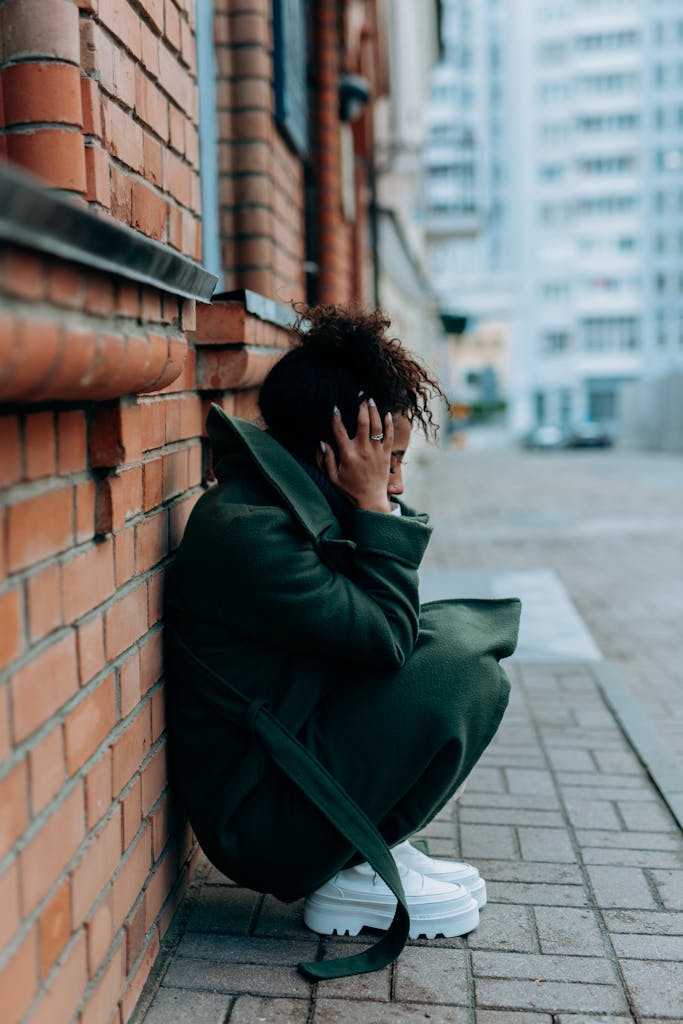
Why Bullying Hits Teen Boys Differently
The American Psychological Association notes that boys are less likely than girls to tell an adult when they are bullied (APA, 2018). This silence often stems from social pressure to appear strong.
Other reasons bullying impacts boys in unique ways include:
- Masculinity pressure. Boys are often told “don’t be weak,” which makes reporting feel shameful.
- Peer competition. Popularity, sports rankings, and online clout can increase bullying.
- Identity development. Boys who don’t fit traditional stereotypes are more likely to be targeted.
These pressures make it clear that bullying isn’t only about conflict—it’s about identity, belonging, and mental health.
The Lasting Effects of Bullying
Research confirms that bullying can have lasting negative effects on boys:
- Mental health: Victims of bullying are more than twice as likely to develop depression and anxiety disorders (National Institute of Mental Health, 2022).
- Academic struggles: Boys who are bullied often experience lower grades and school avoidance (CDC, 2023).
- Physical health: Stress from bullying can trigger headaches, stomachaches, and sleep problems.
- Risk behaviors: The Journal of Adolescent Health found that boys who are bullied are at higher risk for substance use and aggressive behavior later (2019).
- Suicidality: A meta-analysis of 43 studies showed that bullying victims are at increased risk of suicidal thoughts and attempts (Gini & Espelage, 2014).
Because the stakes are so high, spotting bullying early is critical.
Victims of bullying are more than twice as likely to develop depression and anxiety disorders

Warning Signs Parents Should Watch For
Adolescents may not always say they are being bullied. Instead, parents should watch for:
- Avoiding school or activities they once enjoyed
- Lost or damaged belongings
- Anxiety when checking phones or computers
- Sudden mood changes like irritability, anger, or sadness
- Physical complaints without a medical cause
- Withdrawal from friends or family
If you see several of these warning signs, it may be time to act.
How Parents Can Help
Here are five helpful steps parents can take:
- Stay calm. Your child’s brain mirrors your emotions—calmness makes them feel safe (Siegel, 2012).
- Listen first. Boys often share more when parents validate their feelings rather than rush to fix things.
- Label it clearly. Let your son know: “That’s bullying, and it’s not your fault.”
- Plan for safety. Work with him on safe people, safe places, and safe online practices.
- Engage the school. Schools are legally required to address bullying. Keep a record of incidents, dates, and communications.
Building Strength and Resilience
Parents and mentors can reduce the risk of harm by helping to build protective skills, according to developmental psychology research:
- Teach emotional literacy. Help boys name emotions like anger, sadness, and embarrassment.
- Promote healthy masculinity. Encourage the idea that real strength includes empathy and asking for help.
- Encourage belonging. Even one strong connection (sports, arts, clubs) can protect against bullying stress.
- Strengthen digital safety. Use privacy settings and encourage limits on social media.
Standing With Your Son
Bullying is painful, but it does not have to define your son’s future. Teen boys who receive strong support from parents, mentors, and professionals recover more quickly and develop resilience.
Our therapy team at Fuller Life walks alongside adolescent boys and their families with care and understanding. Together, we work to break the silence and move beyond shame—building confidence, healing, and meaningful connection.

More articles by our professional therapists about grief: