
Self-Care: The Powerful Practice of Creating a Life You Don’t Need to Escape
When people hear the words self-care, they often imagine expensive spa days, long vacations, or perfectly planned morning routines. But real self-care is usually much simpler than that.

Sometimes self-care looks like stretching for five minutes before work.
It may look like going to bed earlier.
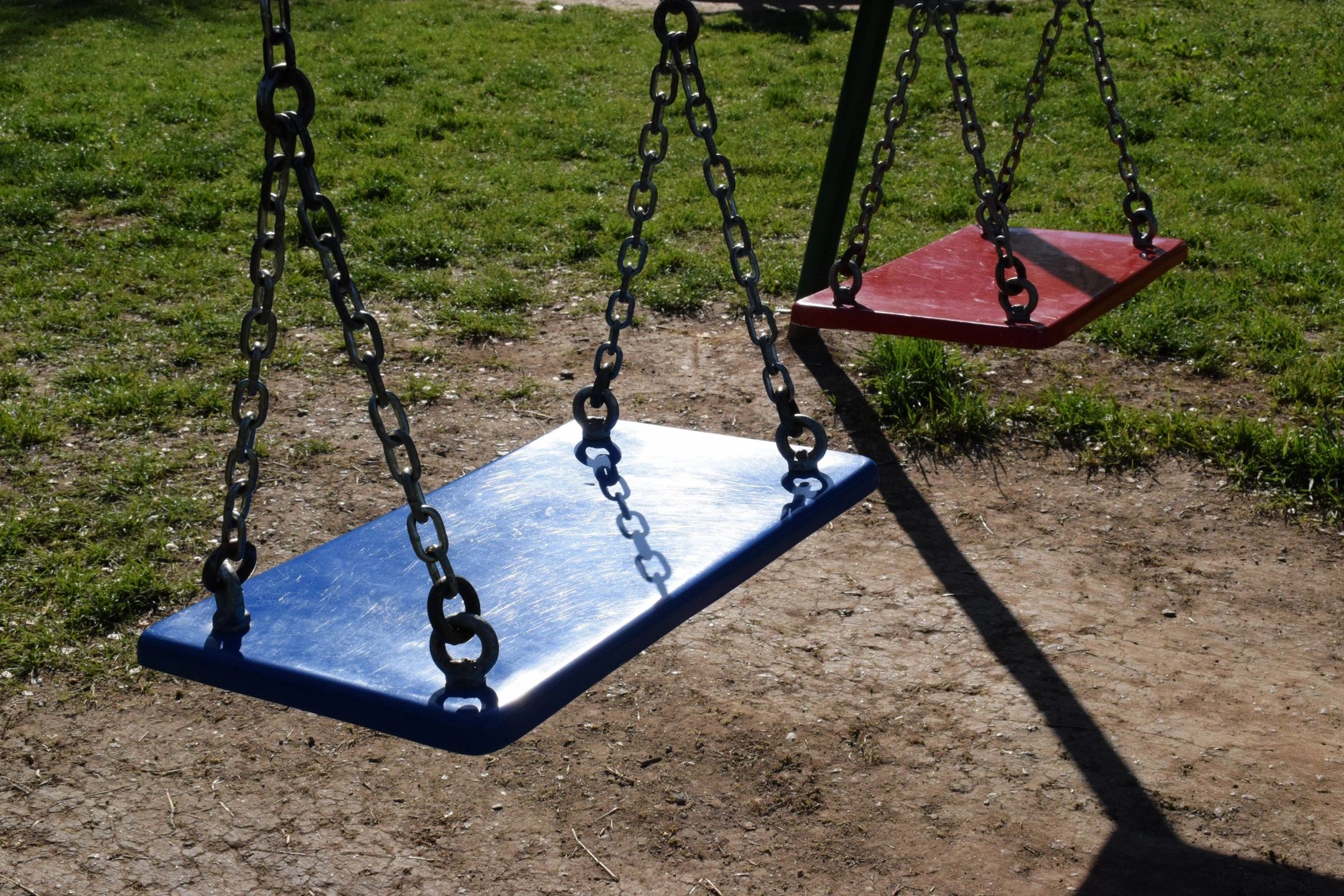
Maybe it’s laughing on a swing at the park like you did when you were a kid.
The truth is, self-care does not have to be big to matter. Small, consistent habits can improve your mood, lower stress, and help you feel more grounded in daily life.
Research continues to show that everyday habits like movement, sleep, and enjoyable activities play an important role in mental health.
At Fuller Life, we believe self-care is about creating space for your mind and body to breathe. More importantly, it’s about creating a life you do not constantly need to escape from.
While vacations can be wonderful and restorative, they are temporary. Real wellness comes from building daily rhythms that support your mental, emotional, and physical health all year long.
Here are a few simple ways to practice self-care every day.
1. Move Your Body Every Day

You do not need an intense workout routine to care for your body. Gentle movement can make a huge difference in your mental and emotional health.
Daily movement helps:
- Reduce stress
- Improve mood
- Increase energy
- Support better sleep
- Lower anxiety
Research shows that physical activity can reduce symptoms of anxiety and depression while improving overall mood and brain function. Even short periods of movement throughout the day can help regulate stress levels and increase feel-good chemicals like endorphins and serotonin.
The key is finding movement you actually enjoy.
That could be:
- Walking around your neighborhood
- Dancing in your kitchen
- Stretching in the morning
- Riding a bike
- Taking your dog outside
- Doing yoga videos at home
Even 10–15 minutes of movement can help your body release tension and reset your mind.
Instead of asking, “What workout should I do?” try asking:
“How would my body like to move today?”
That small mindset shift can make movement feel less like a chore and more like care.
2. Protect Your Sleep Routine

Sleep is one of the most important parts of self-care, but it is often the first thing people sacrifice when life gets busy.
Good sleep supports:
- Emotional regulation
- Focus and memory
- Physical health
- Stress management
- Mental wellness
According to the Centers for Disease Control and Prevention (CDC), adults who do not get enough sleep are more likely to experience stress, anxiety, depression, and difficulty managing emotions.
Creating a healthy sleep routine does not have to be perfect. Start with small changes like:
- Going to bed at the same time each night
- Turning off screens 30 minutes before sleep
- Keeping your bedroom cool and comfortable
- Avoiding caffeine late in the day
- Listening to calming music or reading before bed
When we honor our body’s need for sleep, daily life can begin to feel more manageable and enjoyable.
3. Remember How to Play
Many adults stop playing because they feel pressure to always be efficient and productive. But play is not just for children.
Play helps adults:
- Reduce stress
- Feel more creative
- Improve relationships
- Experience joy
- Feel emotionally refreshed
Research from the National Institute for Play suggests that play can improve emotional resilience, strengthen social connection, and reduce stress levels in adults. Play activates parts of the brain connected to creativity, flexibility, and problem-solving.
And the best part? Play does not need a purpose.
You do not have to turn every hobby into a side business or a goal to accomplish. Sometimes it is healthy to do things simply because they are fun.
That might look like:
- Swinging at the park
- Coloring or painting
- Playing a game with friends
- Singing loudly in the car
- Trying a new hobby just for fun
Giving yourself permission to play can reconnect you with joy, curiosity, and freedom.
Build a Life That Feels Sustainable
Self-care is not about escaping your life. It is about supporting yourself within your life.
Of course, breaks and vacations are important. But if you constantly feel exhausted, overwhelmed, or disconnected, your body may be asking for care in your everyday routine.
Mental health experts often emphasize that long-term wellness is built through consistent habits, not temporary fixes. Small daily actions can help regulate your nervous system, improve resilience, and reduce the effects of chronic stress over time.
Small habits matter because they shape the way we experience daily life. These are not “extra” things to earn after productivity. They are part of living well.
Self-Care Is About Consistency, Not Perfection
You do not need a perfect routine to take care of yourself. Self-care is not about doing everything right. It is about noticing what helps you feel healthy, grounded, and connected and making space for those things regularly.
Start small:
- Take the walk.
- Stretch your body.
- Go to sleep earlier.
- Laugh more.
- Swing at the park.
Small acts of care matter more than you think.
Fuller Life Family Therapy
At Fuller Life, we believe mental wellness grows through compassion, connection, and intentional care.
Therapy provides a space to slow down, take an honest look at your life, and learn healthier ways to care for yourself. Our team at Fuller Life can help you create routines that support long-term wellness and not just temporary relief. If you are ready to prioritize your mental health, our team is here to support you.